

THE USE OF SARAN WRAP IN BIOSLIMMING BODYWRAPS
Posted by Flora Vergnolle. Founder BIOSLIMMING on May 9th 2026 Reading time:
While I personally wish to minimize plastic use, Saran Wrap remains the most effective and affordable option for wrapping clients at this time.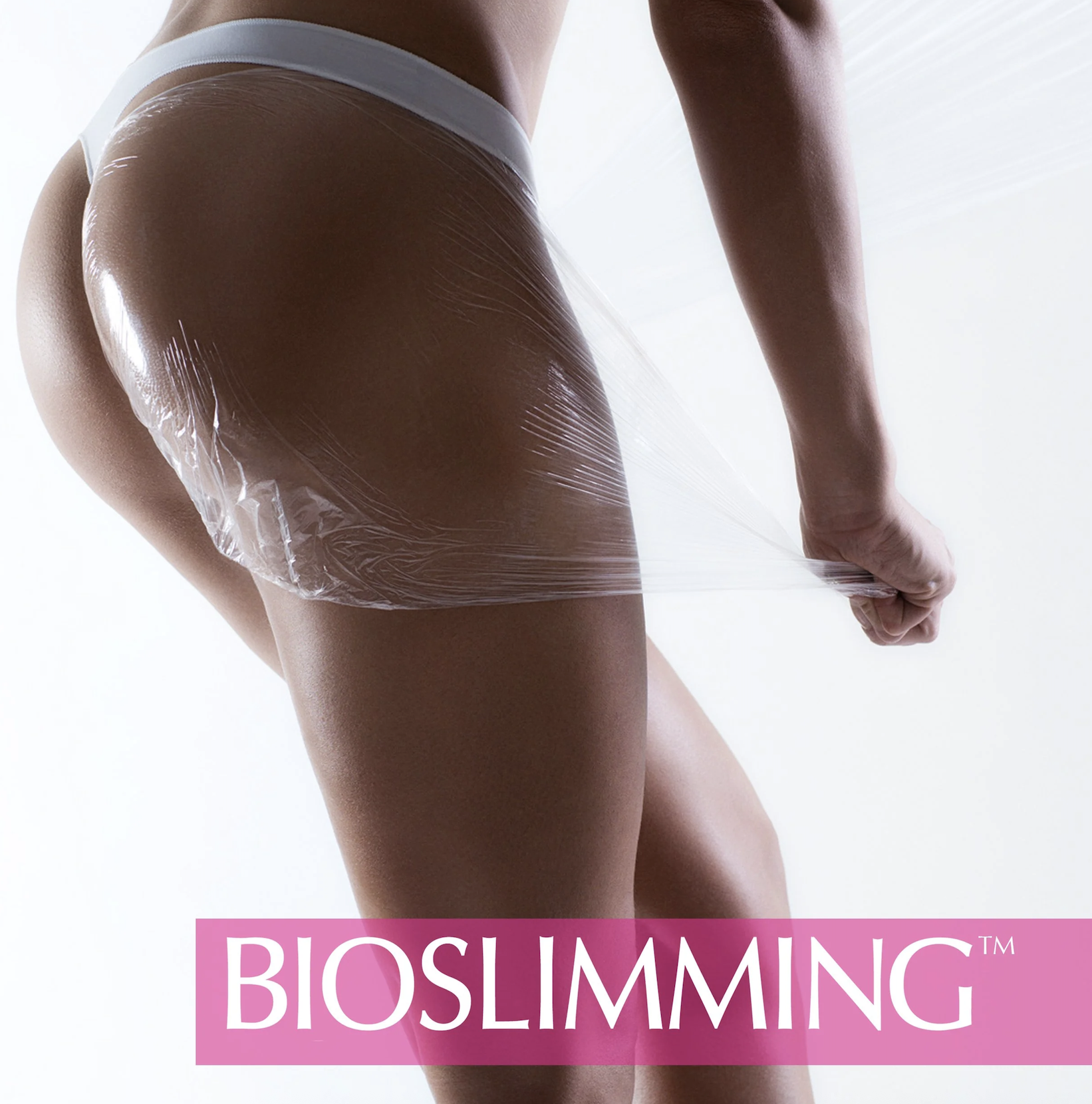
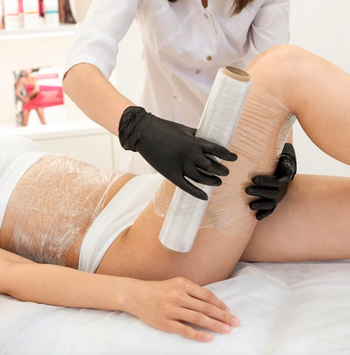
The primary reason for its use is that plastic wrap effectively traps heat and moisture against the skin, which can enhance sweating in the wrapped area. This increased perspiration may lead to temporary water loss, resulting in a slight reduction in appearance for a brief period. Additionally and more importantly , the wrap can improve the absorption of certain creams or gels by maintaining consistent contact with the skin.
It is important to follow specific tips and precautions when using Saran Wrap with Bioslimming to ensure safety and effectiveness.
Saran wrap use and precaution
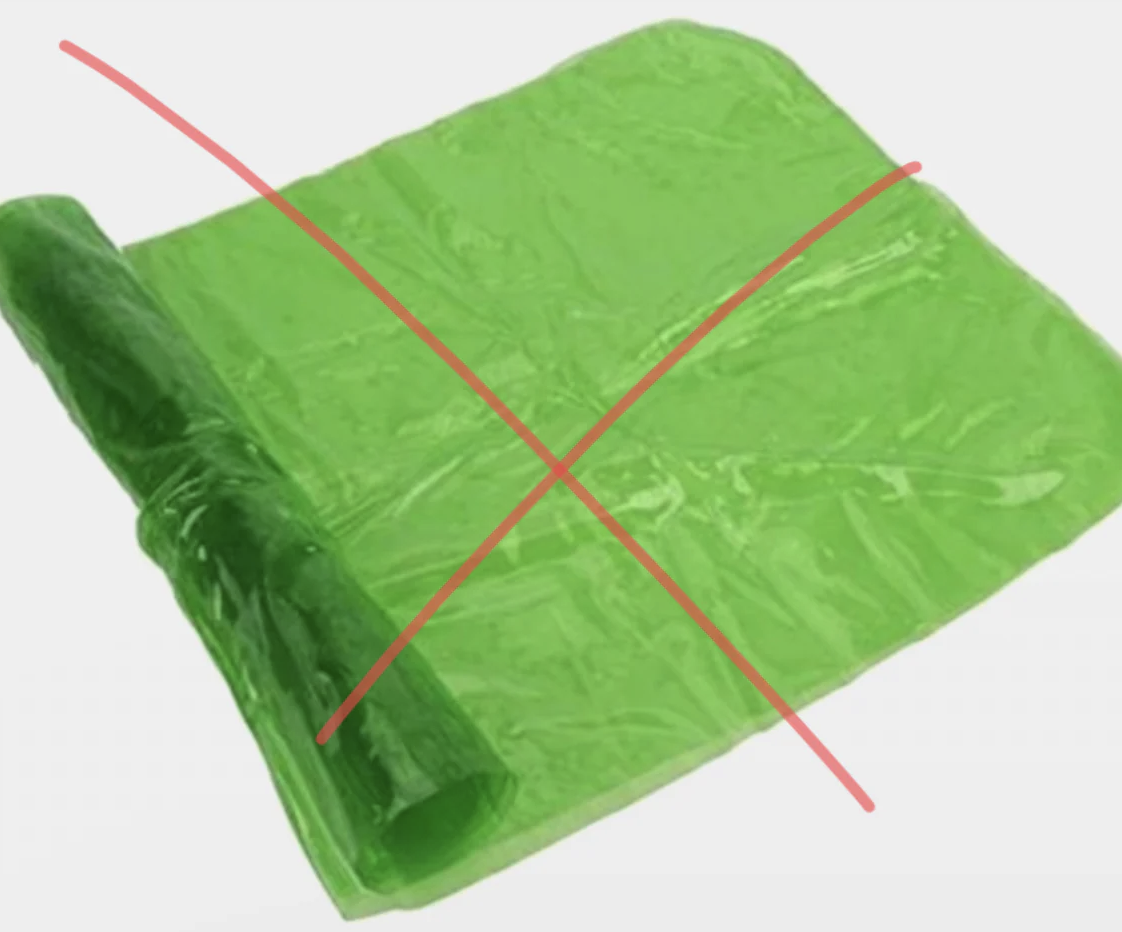
Use only clear, food-grade plastic wrap for body wrap treatments.
Avoid colored, scented, or non–food-grade plastic wraps, as they may contain dyes or additives that can cause skin irritation or sensitivity—especially when heat and occlusion increase skin absorption.
Additional Safety Notes:
Ensure wrap is BPA-free ( manufactured without Bisphenol A) and intended for food use Do not use industrial or unknown plastic materials. Always monitor clients for signs of irritation or discomfort.
Don’t wrap too tight
Wrapping too tightly can restrict circulation
Keep it snug, not compressive
Don't exceed 2 hours saran wrapping and don’t sleep in it
Never leave plastic wrap on overnight
Your body needs to regulate temperature normally during sleep.
Stay hydrated
Drink water before and after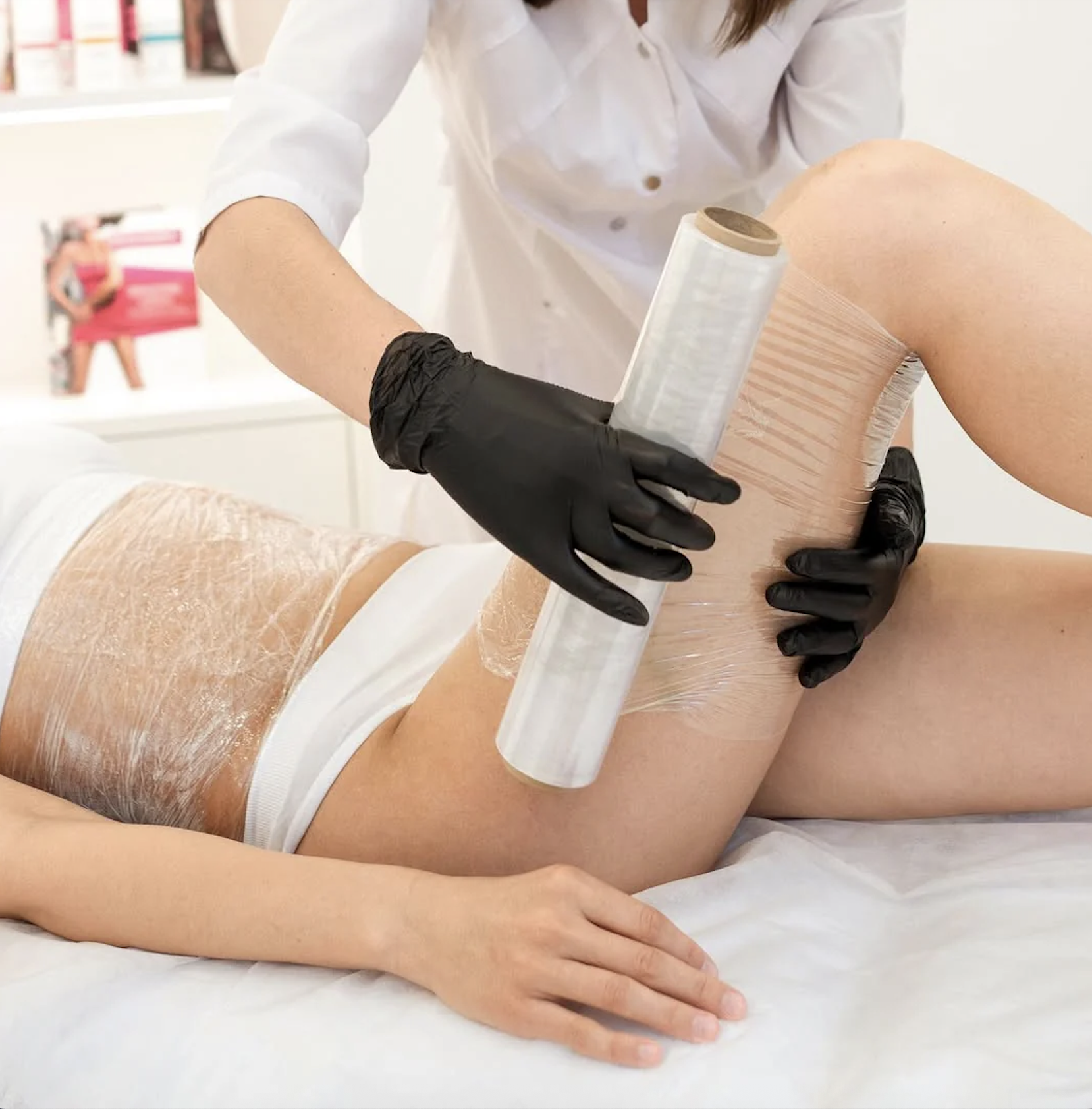
if your guest is sensitive to plastic wrap
For clients who are sensitive to plastic wrap, we suggest using Mylar foil sheets (thermal foil blankets reflect and intensify heat) as an alternative, or employing cloth wraps or towels layered with thermal blankets. 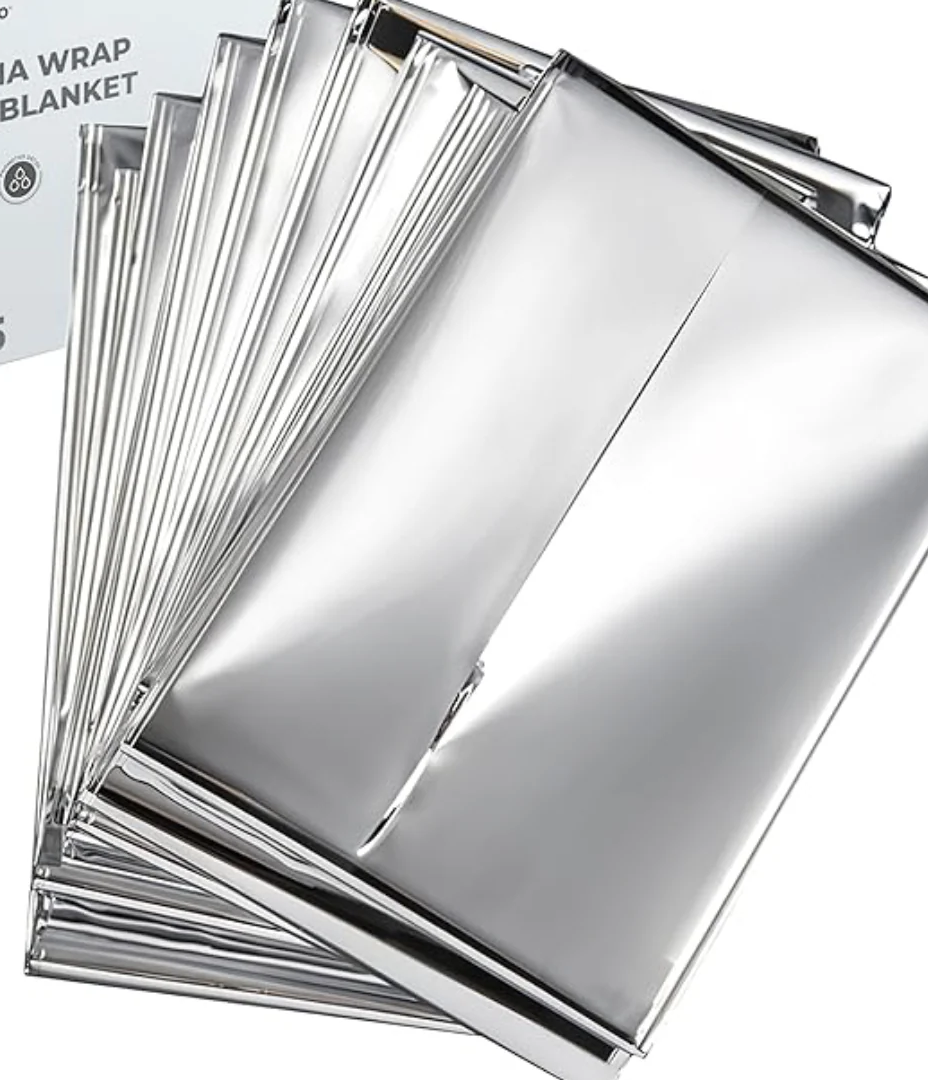
Thermal foil blankets are awesome and highly effective; however, their primary disadvantage lies in the "crinkly" sound produced by the thin plastic material. This noise results from the rigidity and friction of the material when it is moved, which can be distracting during a spa treatment aimed at relaxation.